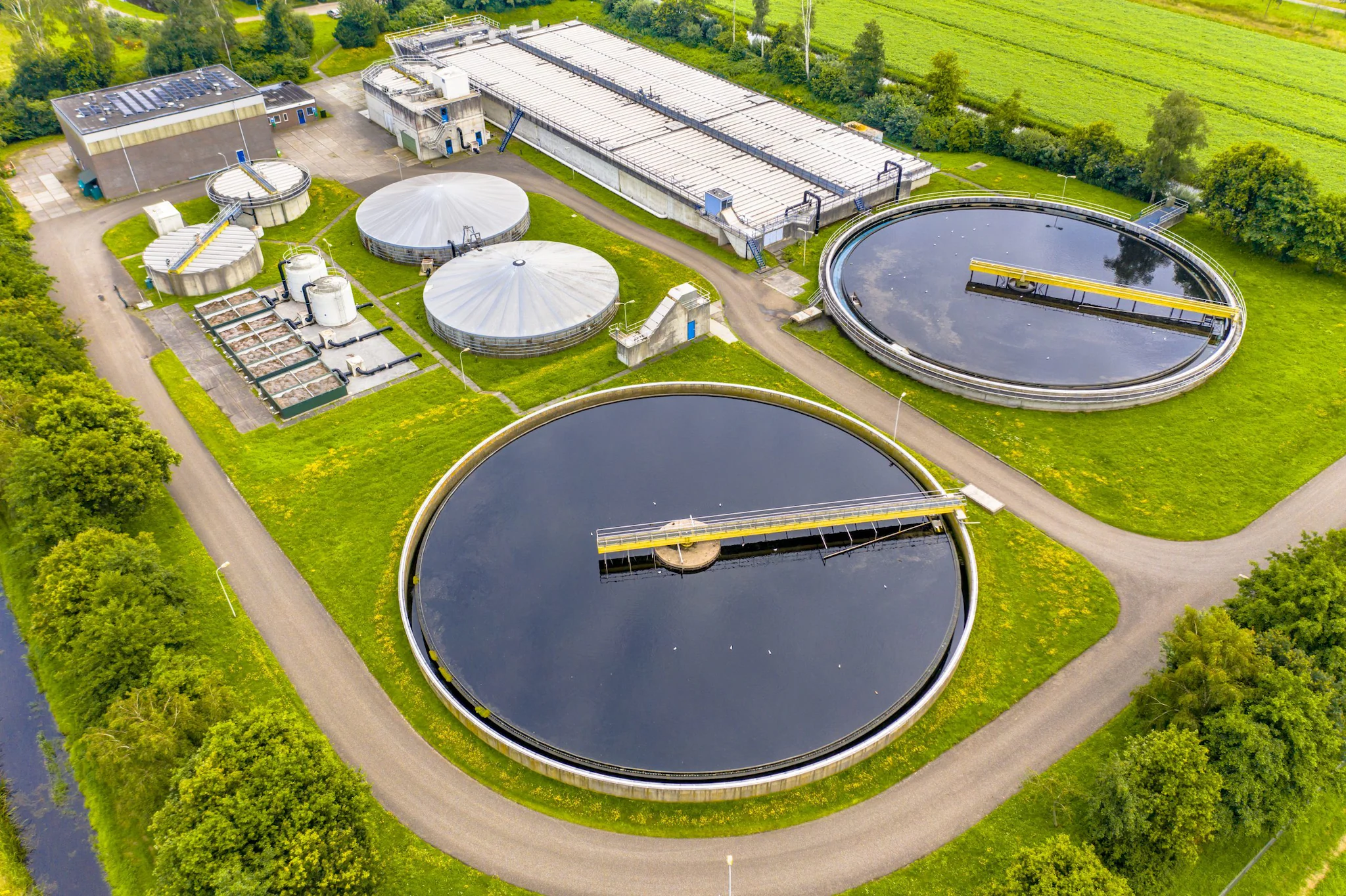
Envocare Projects & Services is one of the leading Wastewater Treatment Plant Manufacturers in Pune, Maharashtra, delivering advanced and customized wastewater treatment solutions for industrial, commercial, residential, and municipal applications. With extensive industry experience and a proven engineering approach, we have successfully completed 500+ Water & Wastewater Treatment Projects, supported by a team of 50+ expert engineers and technical professionals, while operating and maintaining 120+ treatment plants for industrial and commercial clients. Trusted by 300+ satisfied clients, we design high-performance Wastewater Treatment Plants (WWTPs) that ensure efficient wastewater treatment, water recycling, environmental compliance, and long-term operational reliability.
Apart from being a trusted Wastewater Treatment Plant Manufacturers in Pune, Maharashtra, Envocare Projects & Services is also recognized as one of the leading suppliers, dealers, and service providers of complete water and wastewater treatment solutions. We provide turnkey services including system design, manufacturing, supply, installation, commissioning, operation & maintenance (O&M), plant upgradation, and technical support. Our expertise includes Wastewater Treatment Plants (WWTP), Sewage Treatment Plants (STP), Effluent Treatment Plants (ETP), Water Treatment Plants (WTP), Reverse Osmosis (RO) Plants, and Zero Liquid Discharge (ZLD) Systems, helping industries and commercial establishments achieve efficient wastewater management, water reuse, regulatory compliance, and sustainable operations.
A Wastewater Treatment Plant (WWTP) is an advanced system designed to treat and purify wastewater from industrial, commercial, residential, and municipal sources before safe discharge or reuse. It removes suspended solids, organic matter, chemicals, oils, grease, heavy metals, nutrients, microorganisms, and other contaminants through physical, chemical, biological, and advanced treatment processes such as screening, sedimentation, coagulation, activated sludge, MBBR, SBR, MBR, tertiary filtration, RO, UF, and UV or chlorination. These treatment processes ensure regulatory compliance while supporting sustainable water management, pollution control, and water reuse.
As Wastewater Treatment Plant Manufacturers in Pune,we follow a structured and efficient process to deliver complete wastewater treatment solutions.
| Step | Steps of a Wastewater Treatment Plant | Description |
|---|---|---|
| 01 | Site Inspection & Water Analysis | Wastewater quality and site conditions are assessed to determine the ideal treatment solution. |
| 02 | System Design & Engineering | A customized Water Treatment System is designed for maximum treatment efficiency. |
| 03 | Manufacturing & Installation | The plant is manufactured using quality components and installed with precision. |
| 04 | Preliminary Treatment | Large debris and grit are removed to protect downstream equipment. |
| 05 | Primary Treatment | Suspended solids are separated through sedimentation. |
| 06 | Secondary Treatment | Biological treatment removes dissolved organic pollutants effectively. |
| 07 | Tertiary Treatment | Advanced filtration and disinfection produce high-quality treated water. |
| 08 | Sludge Handling | Sludge is treated and safely managed for environmentally responsible disposal. |
| 09 | Testing, Commissioning & Handover | The complete Wastewater Processing Facility is tested, commissioned, and handed over for smooth operation. |
As experienced Wastewater Treatment Plant Suppliers in Pune, we provide customized wastewater treatment solutions for residential, commercial, municipal, and industrial applications. Our treatment plants are selected according to wastewater characteristics, treatment capacity, site conditions, and treated-water reuse requirements.
Our wastewater treatment plants are designed with application-specific technologies to deliver reliable treatment, efficient operation, and consistent treated-water quality. The table below highlights the key technical specifications across different wastewater treatment plant types and treatment systems. Actual specifications may vary depending on wastewater characteristics, plant capacity, applicable discharge standards, and selected treatment technology.
| Category | STP | ETP | Biological WWTP | Physical WWTP | Chemical WWTP | Tertiary WWTP | Package WWTP | Natural WWTP |
|---|---|---|---|---|---|---|---|---|
| Full Name | Sewage Treatment Plant | Effluent Treatment Plant | Biological Wastewater Treatment Plant | Physical Wastewater Treatment Plant | Chemical Wastewater Treatment Plant | Tertiary / Advanced Wastewater Treatment Plant | Decentralized / Package Wastewater Treatment Plant | Natural Wastewater Treatment System |
| Primary Purpose | Treatment of domestic sewage for safe disposal, discharge or non-potable reuse. | Treatment of industrial wastewater for compliant discharge, recycling or process reuse. | Removal of biodegradable organic matter using microorganisms. | Removal of suspended solids, grit, oil, grease and other physical contaminants. | Removal of specific dissolved and suspended pollutants through chemical treatment. | Advanced polishing of treated wastewater for high-quality reuse and recycling. | Compact treatment of domestic or commercial wastewater where space is limited. | Wastewater treatment using natural biological, physical and ecological processes. |
| Typical Applications | Residential complexes, hotels, offices, schools, hospitals and institutions. | Pharmaceutical, chemical, textile, food, dairy, automobile and manufacturing industries. | Domestic sewage and biodegradable industrial wastewater. | Pretreatment and clarification of municipal and industrial wastewater. | Chemical, textile, pharmaceutical, metal-finishing and specialized industrial applications. | Water recycling, industrial process reuse and advanced wastewater polishing. | Apartments, hotels, hospitals, schools, remote facilities and commercial buildings. | Rural communities, decentralized settlements and selected municipal applications. |
| Feed Water | Domestic sewage from residential, commercial or institutional facilities. | Industrial effluent generated from manufacturing and process operations. | Biodegradable domestic or industrial wastewater. | Raw or partially treated wastewater containing suspended solids and physical contaminants. | Industrial wastewater containing chemically treatable pollutants. | Secondary-treated or biologically treated wastewater. | Domestic sewage or commercial wastewater. | Domestic or community wastewater suitable for natural treatment. |
| Design Capacity | 10–10,000+ m³/day | 10–5,000+ m³/day | 10–5,000+ m³/day | 10–5,000+ m³/day | 10–5,000+ m³/day | 10–5,000+ m³/day | 5–1,000 m³/day | 10–5,000+ m³/day |
| Operating Hours | 20–24 hr/day | 20–24 hr/day | 20–24 hr/day | 20–24 hr/day | 20–24 hr/day | 20–24 hr/day | 20–24 hr/day | Continuous / batch operation |
| Hydraulic Loading | 10–10,000+ m³/day | 10–5,000+ m³/day | 10–5,000+ m³/day | 10–5,000+ m³/day | 10–5,000+ m³/day | 10–5,000+ m³/day | 5–1,000 m³/day | 10–5,000+ m³/day |
| Typical HRT | 6–24 hours | 8–48 hours | 6–24 hours | 1–8 hours | 1–12 hours | 1–8 hours after secondary treatment | 6–24 hours | 2–30+ days depending on natural system |
| Typical Inlet pH | 6.5–8.5 | 5.5–9.5 | 6.5–8.5 | 6.0–9.0 | 4.0–11.0 | 6.5–8.5 | 6.5–8.5 | 6.0–9.0 |
| Typical Inlet BOD | 200–350 mg/L | 100–5,000+ mg/L | 200–500 mg/L | 100–500 mg/L | 100–5,000+ mg/L | <50 mg/L | 150–400 mg/L | 100–300 mg/L |
| Typical Inlet COD | 400–700 mg/L | 250–10,000+ mg/L | 400–1,000 mg/L | 200–1,000 mg/L | 250–10,000+ mg/L | <150 mg/L | 300–800 mg/L | 200–600 mg/L |
| Typical Inlet TSS | 200–400 mg/L | 100–1,000+ mg/L | 200–500 mg/L | 200–1,000+ mg/L | 100–1,000+ mg/L | <50 mg/L | 150–400 mg/L | 100–300 mg/L |
| Typical Process | Screening → grit removal → equalization → biological treatment → secondary clarification → filtration → disinfection. | Screening → equalization → pH correction → coagulation/flocculation → clarification → biological treatment → tertiary treatment. | Screening → equalization → biological reactor → clarification → filtration → disinfection. | Screening → grit removal → oil separation → sedimentation → filtration / flotation. | Equalization → pH correction → coagulation → flocculation → precipitation → clarification → filtration. | Filtration → activated carbon / UF → RO or other advanced treatment → disinfection → treated-water storage. | Screening → equalization → biological treatment → clarification / membrane separation → filtration → disinfection. | Screening → primary settling → stabilization pond / lagoon / constructed wetland → polishing → discharge or reuse. |
| Pretreatment | Bar screening, fine screening, grit removal and equalization as required. | Screening, equalization, oil & grease removal and preliminary treatment. | Screening, grit removal and equalization as required. | Bar/fine screening, grit removal and oil separation. | Screening, equalization and preliminary solids removal. | Fine filtration, cartridge filtration and membrane pretreatment as required. | Screening and equalization in compact configuration. | Screening and primary settling before natural treatment stages. |
| Core Treatment | MBBR, SBR, ASP, MBR or other suitable biological process. | Combination of physical, chemical, biological and tertiary treatment according to effluent characteristics. | Microbial degradation using suspended-growth or attached-growth biological processes. | Screening, sedimentation, flotation and physical filtration. | Neutralization, coagulation, flocculation, precipitation and oxidation as required. | Membrane filtration, adsorption, advanced oxidation and high-level disinfection as required. | MBBR, SBR, MBR or other compact biological treatment technology. | Natural biological degradation, sedimentation, plant-based filtration and ecological treatment. |
| Biological Technology | MBBR / SBR / ASP / MBR / RBC | MBBR / SBR / ASP / MBR as applicable | MBBR / SBR / ASP / RBC / UASB | Not normally applicable as primary treatment | Optional biological treatment after chemical treatment | MBR or biological treatment may be incorporated | MBBR / SBR / MBR / ASP | Natural microbial activity in ponds, wetlands and lagoons |
| Typical MLSS | 2,000–4,000 mg/L | 2,000–5,000 mg/L | 2,000–5,000 mg/L | Not applicable | 1,500–5,000 mg/L where biological treatment is used | 3,000–8,000 mg/L for MBR systems | 2,000–5,000 mg/L | Not typically controlled |
| Typical DO Level | 1.5–3.0 mg/L | 1.5–4.0 mg/L | 1.5–3.0 mg/L | Not applicable | 1.0–3.0 mg/L where biological treatment is used | 2.0–4.0 mg/L for biological polishing | 1.5–3.0 mg/L | Natural / variable |
| Typical BOD Removal | 90–98% | 80–98% | 90–98% | 20–50% | 50–95% | 90–99% | 90–98% | 70–95% |
| Typical COD Removal | 80–95% | 70–95% | 80–95% | 20–50% | 50–95% | 90–99% | 80–95% | 60–90% |
| Typical TSS Removal | 90–98% | 80–98% | 90–98% | 60–95% | 70–98% | 95–99% | 90–98% | 70–95% |
| Membrane Technology | UF/MBR may be incorporated where required. | UF/RO may be incorporated for advanced treatment and reuse. | MBR / UF may be used depending on process configuration. | Not normally applicable. | Not normally applicable; UF/RO may be added downstream. | UF / NF / RO membranes depending on required water quality. | MBR or UF may be incorporated for compact treatment. | Not normally applicable. |
| Typical Membrane Flux | 15–30 LMH for MBR/UF | 10–25 LMH for UF | 15–30 LMH for MBR/UF | Not applicable | 10–25 LMH where UF is used | 10–25 LMH for UF/NF; project-specific for RO | 15–30 LMH for MBR/UF | Not applicable |
| Filtration | Pressure sand filter, activated carbon filter and micron filtration as required. | Pressure sand filter, activated carbon filter, UF or RO as required. | Pressure sand filter / activated carbon filter for tertiary polishing. | Screening, sedimentation and pressure filtration where required. | Pressure sand filter / multimedia filter / activated carbon filter. | Micron filtration, UF, NF and RO depending on treatment requirements. | PSF / ACF / micron filtration as required. | Natural filtration through soil, gravel, wetland media or polishing stages. |
| Typical Filtration Rate | 5–15 m³/m²/hr | 5–15 m³/m²/hr | 5–15 m³/m²/hr | 5–20 m³/m²/hr | 5–15 m³/m²/hr | UF/NF/RO: project-specific | 5–15 m³/m²/hr | 0.05–0.5 m³/m²/day through natural media |
| Chemical Dosing | Coagulant, pH correction chemical and disinfectant as required. | Coagulant, flocculant, acid/alkali, antiscalant and other process chemicals as required. | Generally low chemical requirement; chemicals used for pH control or disinfection as required. | Generally low chemical requirement. | Acid/alkali, coagulant, flocculant, oxidant and other application-specific chemicals. | Antiscalant, pH correction chemicals, membrane-cleaning chemicals and disinfectant as required. | pH correction chemicals, coagulants or disinfectants as required. | Minimal chemical requirement; chemicals may be used for specific applications. |
| Typical Chemical Dose | 5–100 mg/L depending on chemical and application | 20–500+ mg/L depending on pollutant load | 5–100 mg/L where chemical dosing is required | 0–50 mg/L where chemicals are used | 20–1,000+ mg/L depending on treatment requirement | 1–20 mg/L for antiscalant/disinfection where applicable | 5–100 mg/L depending on application | Generally minimal |
| Disinfection | Chlorination / UV as required. | Chlorination / UV / ozone as required by treated-water application. | Chlorination / UV as required. | Not normally required as the primary physical treatment step. | Chlorination / UV as required. | UV / ozone / chlorination depending on reuse requirements. | UV / chlorination as required. | Natural treatment or additional disinfection where required. |
| Typical UV Dose | 30–40 mJ/cm² | 30–60 mJ/cm² | 30–40 mJ/cm² | Not applicable | 30–60 mJ/cm² | 40–60+ mJ/cm² | 30–40 mJ/cm² | Project-specific |
| Typical Treated pH | 6.5–8.5 | 6.5–8.5 or as required by discharge standard | 6.5–8.5 | 6.5–8.5 | 6.5–8.5 | 6.5–8.5 | 6.5–8.5 | 6.5–8.5 |
| Typical Treated BOD | <10–20 mg/L | Project-specific | <10–20 mg/L | Not normally suitable as final treatment | Project-specific | <5–10 mg/L | <10–20 mg/L | <20–30 mg/L |
| Typical Treated COD | <50–100 mg/L | Project-specific | <50–100 mg/L | 100–300 mg/L | Project-specific | <30–50 mg/L | <50–100 mg/L | <100–150 mg/L |
| Typical Treated TSS | <10–20 mg/L | Project-specific | <10–20 mg/L | 20–50 mg/L | Project-specific | <5–10 mg/L | <10–20 mg/L | <20–30 mg/L |
| Typical Turbidity | <5–10 NTU | <5–20 NTU | <5–10 NTU | 10–50 NTU | <5–20 NTU | <1–5 NTU | <5–10 NTU | <10–30 NTU |
| Typical TDS | Site-specific; generally not significantly reduced by biological treatment | Site-specific; dependent on industrial process | Site-specific | Generally unchanged | Project-specific | RO permeate: typically <100–300 mg/L | Site-specific | Generally unchanged |
| Sludge Management | Sludge holding → thickening → filter press / drying bed / centrifuge. | Primary and biological sludge collection followed by filter press / centrifuge / screw press. | Biological sludge thickening and dewatering. | Settled solids and separated oil/grease removal. | Chemical sludge collection, thickening and dewatering. | Membrane concentrate and upstream sludge handling as applicable. | Sludge holding and periodic dewatering. | Periodic removal of accumulated sludge from settling or pond systems. |
| Typical Sludge Production | 0.20–0.50 kg dry solids/kg BOD removed | 0.30–0.80 kg dry solids/kg COD removed | 0.20–0.60 kg dry solids/kg BOD removed | 0.10–0.30 kg dry solids/m³ treated | 0.30–1.00 kg dry solids/kg pollutant removed | Project-specific | 0.20–0.60 kg dry solids/kg BOD removed | Low to moderate; periodic accumulation |
| Pumps | Submersible / centrifugal pumps for sewage transfer and treated-water handling. | Centrifugal / submersible pumps sized according to process flow and head. | Feed, recycle and sludge pumps according to biological process requirements. | Transfer and feed pumps as required. | Chemical dosing, transfer and sludge pumps as required. | High-pressure feed pumps for RO and transfer pumps for filtration stages. | Compact centrifugal / submersible pumps according to plant configuration. | Transfer pumps where required; gravity flow may be used where site conditions permit. |
| Typical Pump Head | 10–30 m | 15–40 m | 10–30 m | 10–30 m | 10–40 m | 20–60 m for transfer; 100–200+ m for RO | 10–30 m | 5–20 m where pumping is required |
| Instrumentation | Flow, level, pH, DO, turbidity and conductivity as required. | Flow, pH, ORP, level, pressure, conductivity and other process-specific instruments. | Flow, DO, pH, ORP, MLSS and level as required. | Flow, level, pressure and turbidity as required. | Flow, pH, ORP, level, pressure and turbidity. | Flow, pressure, conductivity, pH, turbidity and temperature. | Flow, level, pH, DO, turbidity and pressure as required. | Flow and level monitoring; additional instrumentation according to system design. |
| Typical Measurement Accuracy | ±0.5–2% | ±0.5–2% | ±0.5–2% | ±1–2% | ±0.5–2% | ±0.5–1% | ±0.5–2% | ±1–3% |
| Control System | PLC with HMI for automatic/semi-automatic operation. | PLC/HMI/SCADA for process sequencing, dosing and equipment control. | PLC/HMI for aeration, pumping and biological process control. | Manual / semi-automatic or PLC-based control depending on plant size. | PLC/HMI for chemical dosing and process control. | PLC/HMI/SCADA with automatic membrane, filtration and disinfection control. | PLC/HMI for automatic operation and equipment sequencing. | Manual or low-level automation depending on system configuration. |
| Automation Level | Automatic / Semi-automatic | Automatic / SCADA | Automatic / Semi-automatic | Manual / Semi-automatic | Automatic / Semi-automatic | Automatic / SCADA | Automatic / Semi-automatic | Manual / Low automation |
| Electrical Supply | 415 V, 3 Phase, 50 Hz | 415 V, 3 Phase, 50 Hz | 415 V, 3 Phase, 50 Hz | 415 V, 3 Phase, 50 Hz | 415 V, 3 Phase, 50 Hz | 415 V, 3 Phase, 50 Hz | 415 V, 3 Phase, 50 Hz | 230 / 415 V as applicable |
| Typical Power Consumption | 0.3–0.8 kWh/m³ | 0.5–2.0 kWh/m³ | 0.3–1.0 kWh/m³ | 0.1–0.4 kWh/m³ | 0.2–1.0 kWh/m³ | 0.5–2.5 kWh/m³ | 0.3–1.0 kWh/m³ | 0.05–0.3 kWh/m³ |
| Motor Control | DOL / star-delta / VFD according to motor rating and duty. | DOL / star-delta / VFD according to motor rating and process requirement. | DOL / star-delta / VFD for pumps and blowers as applicable. | DOL / VFD according to equipment rating. | DOL / VFD according to pump and mixer requirements. | VFD for high-pressure pumps and variable-flow equipment where required. | DOL / star-delta / VFD according to equipment rating. | Limited motorized equipment; VFD where applicable. |
| Backwash | Automatic/semi-automatic backwash of tertiary filters. | Automatic filter backwash where filtration systems are provided. | Filter backwash according to tertiary filtration configuration. | Filter backwash where pressure filters are installed. | Filter backwash where filtration is provided. | UF backwash and chemically enhanced backwash; RO membranes cleaned by CIP. | Automatic/semi-automatic filter backwash where applicable. | Generally not applicable; depends on natural filtration configuration. |
| Typical Backwash Frequency | Every 24–72 hours or based on pressure drop | Every 24–72 hours or based on pressure drop | Every 24–72 hours or based on pressure drop | Every 24–72 hours | Every 24–72 hours | UF: daily/weekly as required; RO: CIP based on performance | Every 24–72 hours | Not normally applicable |
| CIP System | Not normally required; applicable for MBR/UF systems. | Provided where UF/RO or other membrane systems are installed. | Required for MBR/UF membrane systems as specified. | Not normally required. | Not normally required unless membrane treatment is incorporated. | Dedicated CIP system for RO/UF/NF membranes as required. | Provided for MBR/UF membrane configurations. | Not applicable in conventional natural treatment systems. |
| Typical Recovery | 85–95% | 70–95% | 85–95% | 90–98% | 70–95% | 70–90% depending on membrane system | 85–95% | 60–90% |
| RO Recovery | Not applicable unless RO is installed | 50–80% depending on feed quality | Not applicable unless RO is installed | Not applicable | 50–80% where RO is installed | 50–85% depending on feed quality and configuration | 50–80% where RO is installed | Not applicable |
| Land Requirement | Medium, depending on treatment technology and capacity. | Medium to high, depending on treatment stages and sludge handling. | Medium, with compact options such as MBBR and MBR. | Low to medium depending on hydraulic loading. | Medium, depending on clarification and chemical treatment requirements. | Low to medium, depending on membrane and ancillary equipment. | Low, designed for space-constrained applications. | High compared with mechanically intensive treatment systems. |
| Typical Footprint | 0.02–0.10 m² per m³/day | 0.03–0.15 m² per m³/day | 0.02–0.10 m² per m³/day | 0.01–0.08 m² per m³/day | 0.03–0.15 m² per m³/day | 0.01–0.08 m² per m³/day | 0.02–0.08 m² per m³/day | 0.10–1.00+ m² per m³/day |
| Construction | RCC / MS / FRP / HDPE or other suitable materials depending on plant configuration. | RCC / MS / FRP / HDPE / SS according to wastewater characteristics and chemical service. | RCC / MS / FRP / HDPE / SS according to process configuration. | MS / FRP / HDPE / SS / RCC according to application. | Chemical-resistant FRP / HDPE / MS / SS / RCC as applicable. | Corrosion-resistant materials such as FRP, UPVC, HDPE, SS and suitable membrane-skid materials. | FRP / HDPE / MS / RCC in modular or prefabricated configurations. | RCC, soil, gravel, geomembrane and wetland media according to system design. |
| Performance Guarantee | Specified treated-water quality based on approved inlet characteristics and design criteria. | Specified treated-effluent quality based on agreed inlet characteristics and design conditions. | Specified BOD/COD reduction based on approved wastewater characteristics. | Specified suspended-solids and physical contaminant removal based on design conditions. | Specified pollutant removal based on agreed wastewater characteristics and chemical treatment design. | Specified treated-water quality, membrane performance and recovery based on design feed conditions. | Specified treated-water quality based on approved domestic/commercial wastewater characteristics. | Performance based on hydraulic loading, climate, land area and natural treatment design conditions. |
| Typical Design Life | 15–25 years | 15–25 years | 15–25 years | 15–25 years | 15–25 years | 10–20 years; membranes typically replaced in 3–7 years | 10–20 years | 20–30+ years with proper maintenance |
| Testing & Commissioning | Hydraulic, electrical, biological and treated-water performance testing. | Hydraulic, electrical, chemical-process and treated-effluent performance testing. | Hydraulic, electrical, aeration and biological performance testing. | Hydraulic testing, equipment testing and filtration performance verification. | Hydraulic testing, dosing calibration and treated-water quality testing. | Hydraulic testing, membrane performance testing, instrumentation calibration and water-quality testing. | Hydraulic, electrical, biological and treated-water performance testing. | Hydraulic testing and treated-water quality verification after stabilization. |
| Typical Commissioning Period | 7–30 days | 15–60 days | 7–30 days | 3–15 days | 7–30 days | 7–30 days | 7–21 days | 30–180+ days for biological stabilization |
| Safety Features | Tank-level, dry-run, overload, overflow and process interlocks. | Pump dry-run, tank-level, chemical-dosing, overflow and equipment protection. | Blower, pump, DO, level and process interlocks. | Pressure, flow, level and equipment protection. | Chemical-level, dosing, pH, pump and equipment interlocks. | High/low pressure, high conductivity, low level, dry-run and membrane protection. | Tank-level, dry-run, overload and process protection. | Overflow, hydraulic-level and equipment protection where mechanical equipment is installed. |
| Emergency Protection | High-level alarm, pump protection and emergency overflow provision. | High-level alarm, chemical protection and emergency bypass provision. | High-level, blower and pump protection. | High-level and equipment protection. | Chemical spill, high-level and equipment protection. | High-pressure, low-pressure, conductivity and membrane protection. | High-level and equipment protection. | Overflow and hydraulic bypass protection where applicable. |
| Documentation | PFD, P&ID, GA drawings, equipment datasheets, O&M manual and test certificates. | PFD, P&ID, mass balance, GA drawings, equipment datasheets and O&M manual. | Process design, P&ID, GA drawings, equipment datasheets and O&M manual. | PFD, P&ID, GA drawings and equipment datasheets. | PFD, P&ID, chemical-dosing details, GA drawings and O&M manual. | PFD, P&ID, membrane datasheets, GA drawings, control philosophy and O&M manual. | PFD, P&ID, GA drawings, equipment datasheets and O&M manual. | Process design, hydraulic calculations, GA/layout drawings and O&M guidelines. |
| Typical Treated Water Use | Flushing, gardening, landscaping, irrigation and other approved non-potable uses. | Industrial process reuse, utility applications or compliant discharge. | Reuse or discharge after required tertiary treatment. | Pretreated water for downstream biological or chemical treatment. | Treated water for further treatment, reuse or compliant discharge. | High-quality recycled water for industrial and other approved non-potable applications. | Flushing, gardening, landscaping and other local reuse applications. | Suitable non-potable reuse or discharge applications subject to treated-water quality. |
| Key Features | Reliable sewage treatment, compact biological processes and water reuse capability. | Customized treatment for industry-specific pollutants and wastewater characteristics. | Efficient biological removal of biodegradable organic matter. | Simple physical separation with relatively low chemical consumption. | Targeted removal of pH, metals, colour and other chemically treatable pollutants. | High-quality polishing, membrane treatment and water recycling capability. | Compact, modular, space-saving and suitable for decentralized applications. | Low-energy operation with relatively simple maintenance and natural treatment mechanisms. |
Note: The numerical values shown above are typical design ranges for reference only and may vary according to inlet wastewater characteristics, hydraulic and organic loading, selected treatment technology, applicable regulatory standards, treated-water reuse requirements, climatic conditions and project-specific engineering criteria. Final performance values should be confirmed through detailed process design and approved technical specifications.
Selecting the right Wastewater Treatment Plant is a critical engineering decision that directly affects treatment performance, operating costs, maintenance requirements, regulatory compliance, and the long-term reliability of the system. As an experienced Wastewater Treatment Plant Manufacturer in Pune, Maharashtra, Envocare Projects & Services evaluates each project based on the actual wastewater characteristics, process requirements, site conditions, treatment capacity, and intended use of the treated water.
We do not follow a one-size-fits-all approach. Our wastewater treatment systems are designed, engineered, manufactured, supplied, installed, commissioned, and supported according to the specific requirements of each project. From compact package plants to large-scale industrial ETPs and advanced water recycling systems, we select the appropriate treatment technology and equipment configuration to achieve reliable and consistent performance.
For industrial applications, wastewater characteristics can vary significantly from one manufacturing process to another. Our engineers therefore assess the wastewater source, process chemistry, pollutant load, variability, and peak loading conditions before finalizing the treatment scheme.
This helps avoid both under-designed systems, which may result in poor treatment performance, and unnecessarily oversized systems, which can increase capital and operating costs.
Based on the application, we design and manufacture solutions such as:
Where higher-quality recycled water is required, additional treatment stages such as pressure filtration, activated carbon filtration, UF, RO, UV, ozonation, or other advanced processes can be incorporated into the system.
Treatment processes, equipment sizing, instrumentation, automation, and performance requirements are selected accordingly to support consistent and compliant plant operation.
For projects with limited space, we can provide compact, modular, skid-mounted, package, MBBR, SBR, or MBR-based configurations. For larger facilities, the treatment plant can be engineered with optimized tank arrangements, equipment placement, and process integration to utilize the available area efficiently.
Depending on the application, the process may include:
Screening → Grit Removal → Equalization → pH Correction → Coagulation/Flocculation → Primary Clarification → Biological Treatment → Secondary Clarification → Filtration → Disinfection → UF/RO → Treated-Water Storage
The actual process sequence is finalized after detailed wastewater assessment and engineering evaluation.
This approach helps develop a wastewater treatment plant that provides the right balance between initial investment, treatment performance, energy efficiency, maintenance, and long-term operating economics.
Automation helps improve process consistency, equipment protection, operational control, and plant reliability.
Depending on the wastewater characteristics and application, we manufacture systems using suitable materials such as MS, FRP, HDPE, SS, RCC, UPVC, and other application-specific materials.
Equipment including pumps, blowers, agitators, dosing systems, clarifiers, filters, membranes, electrical panels, instrumentation, and control systems is selected according to the required process duty and operating conditions.
Effective sludge management helps improve plant housekeeping, reduce handling requirements, and support environmentally responsible waste disposal.
Treated wastewater can be further processed using tertiary filtration, UF, RO, disinfection, or other advanced treatment technologies depending on the required reuse quality. This enables industries to recover water for suitable applications and reduce dependence on freshwater sources.
We consider provisions for additional treatment capacity, future production loads, extra equipment, hydraulic expansion, tertiary treatment, water recycling, and automation upgrades wherever practical. This can help minimize major modifications when wastewater generation increases in the future.
At Envocare Projects & Services, our selection process typically follows a structured engineering approach:
Wastewater Assessment → Site Inspection → Laboratory Analysis → Flow & Load Assessment → Treatment Technology Selection → Process Design → Equipment Selection → Detailed Engineering → Manufacturing → Installation → Commissioning → Performance Testing → O&M Support
This manufacturer-led approach enables us to develop treatment systems that are not only technically suitable but also practical to manufacture, install, operate, maintain, and upgrade.
The right system depends on the source and characteristics of wastewater, flow rate, pollutant load, required treated-water quality, discharge standards, available space, water-reuse objectives, and operating budget.
As a Wastewater Treatment Plant Manufacturer in Pune, Envocare Projects & Services provides complete engineering and project execution—from wastewater assessment and process design to manufacturing, supply, installation, commissioning, O&M, and plant upgradation. Our customized approach helps clients select the appropriate treatment technology while maintaining a practical balance between treatment efficiency, plant footprint, energy consumption, maintenance, investment, and long-term operating performance.
Selecting the appropriate treatment technology at the design stage can improve treatment efficiency, operational reliability, maintenance requirements, treated-water quality, and the potential for safe and beneficial wastewater reuse.
As leading Wastewater Treatment Plant Dealers and Service Providers in Pune, we provide advanced, customized, and cost-effective wastewater treatment solutions for industries, commercial establishments, and other applications. Our wastewater treatment plants are designed using modern technology and robust engineering to ensure efficient treatment, water recovery, regulatory compliance, and long-term performance.
As Wastewater Treatment Plant Service providers in Pune, we deliver versatile treatment systems suitable for a wide range of industrial and municipal applications.
Envocare Projects & Services is a trusted Wastewater Treatment Plant Manufacturers in Pune, Maharashtra, delivering advanced wastewater treatment solutions for industrial, commercial, residential, and municipal applications. As leading manufacturers, suppliers, dealers, and service providers, we provide complete turnkey solutions including system design, manufacturing, supply, installation, commissioning, operation & maintenance, and plant upgradation. Our advanced Wastewater Treatment Plants are engineered to maximize water recovery, improve treatment efficiency, reduce operating costs, and ensure compliance with CPCB, SPCB, and environmental standards. Backed by 500+ successfully completed Water & Wastewater Projects, 50+ expert engineers and technical staff, 120+ plants under operation & maintenance, and 300+ satisfied industrial and commercial clients, we deliver reliable, customized, and sustainable wastewater treatment solutions that support long-term operational success. Contact Us today to discuss your wastewater treatment requirements and receive a customized solution.
Envocare Projects & Services is a leading Wastewater Treatment Plant manufacturer in Pune, Maharashtra, providing customized solutions for industrial, commercial, residential, and municipal applications. We offer complete turnkey services including design, manufacturing, installation, commissioning, automation, operation & maintenance, and plant upgradation.
The cost of a Wastewater Treatment Plant depends on plant capacity, wastewater characteristics, treatment technology, site conditions, automation requirements, sludge handling, and treated-water reuse requirements. Envocare provides customized technical and commercial quotations based on the specific wastewater treatment requirements of each project.
The right Wastewater Treatment Plant depends on wastewater characteristics, flow rate, pollutant load, required treated-water quality, available space, and reuse or discharge requirements. Envocare provides ETP, STP, MBBR, SBR, MBR, Activated Sludge Process, RO, UF, and ZLD solutions for pharmaceutical, chemical, automobile, food and beverage, textile, hospital, manufacturing, commercial, and other industries.
Yes, Envocare provides complete turnkey Wastewater Treatment Plant installation and commissioning services. Our services include site assessment, wastewater analysis, system design, manufacturing, equipment supply, installation, testing, commissioning, operator training, and handover, followed by technical support and operation & maintenance services.
Yes, Envocare provides ETP, STP, MBBR, SBR, and MBR Wastewater Treatment Systems in Pune and nearby areas. These technologies are selected according to the wastewater characteristics, treatment capacity, site conditions, required treated-water quality, and water reuse objectives.
Yes, Envocare provides comprehensive Wastewater Treatment Plant operation & maintenance services, including preventive maintenance, troubleshooting, technical support, AMC services, and plant performance optimization. Our team currently supports 120+ treatment plants under operation and maintenance services.
Yes, Wastewater Treatment Plants can be customized according to wastewater flow, inlet characteristics, pollutant concentrations, treatment objectives, site conditions, discharge requirements, and water reuse needs. Envocare designs customized treatment systems to achieve efficient contaminant removal, reliable operation, and optimized operating costs.
There is no single treatment technology suitable for every industry. Industrial wastewater is commonly treated using ETP systems combined with technologies such as MBBR, SBR, MBR, Activated Sludge Process, UF, RO, or ZLD, depending on the wastewater characteristics and required treated-water quality. Envocare designs the treatment process according to the specific industrial application.
Yes, Envocare provides wastewater recycling, water recovery, and water reuse solutions. Depending on the required water quality, treated wastewater can be further processed using tertiary filtration, UF, RO, and disinfection systems for suitable non-potable applications such as gardening, flushing, cooling, utilities, and industrial processes.
To receive a customized Wastewater Treatment Plant quotation in Pune, provide details such as wastewater source, daily flow or treatment capacity, inlet wastewater characteristics, required treated-water quality, intended discharge or reuse application, available site area, and specific project requirements. Envocare can evaluate these details and recommend a suitable treatment system and commercial proposal.
Envocare Projects & Services provides complete Water & Wastewater Treatment Solutions including STP, ETP, WTP, RO and ZLD systems for industrial and commercial applications across India.
© Envocare Projects & Services. All Rights Reserved.